First time in Japan: 10 things to know before you walk into a local shop
Cash, ticket machines, otoshi, tipping. What to know before you step into a neighbourhood restaurant or izakaya in Japan.
6 min read
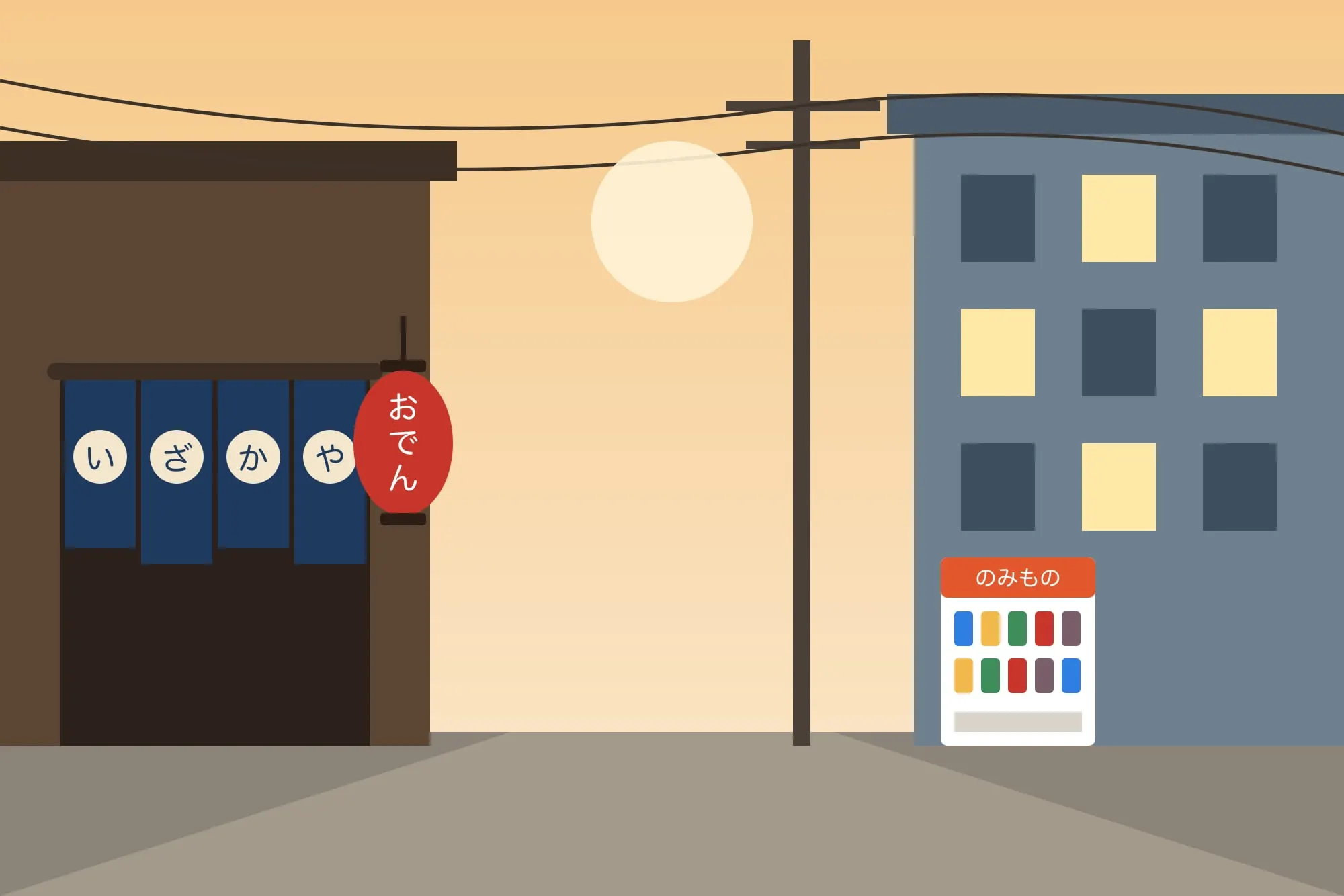
Japan is an easy first trip abroad. The food is approachable and the streets are safe. Then you stand in front of a small neighbourhood restaurant and hesitate. The menu is only in Japanese, and you cannot tell where to order or how to pay.
Big shops in tourist areas have English menus and take cards. The small places where locals eat work differently. This post covers ten things worth knowing before you walk in.
One note first: every shop has its own way of doing things. What follows is what you will commonly see. When in doubt, follow the signs at the entrance and what the staff tell you.
1. Carry cash
Cards and mobile payments are much more common in Japan than they used to be. Convenience stores, chains and department stores take them almost everywhere. Older restaurants, kissaten coffee shops and small izakaya are another story. Many still take cash only.
A sign reading 現金のみ (genkin nomi) at the door or the register means cash only. If you plan to eat at local places, carry 1,000-yen notes and coins. A small shop may struggle to give change for a 10,000-yen note.
2. Put your money on the tray
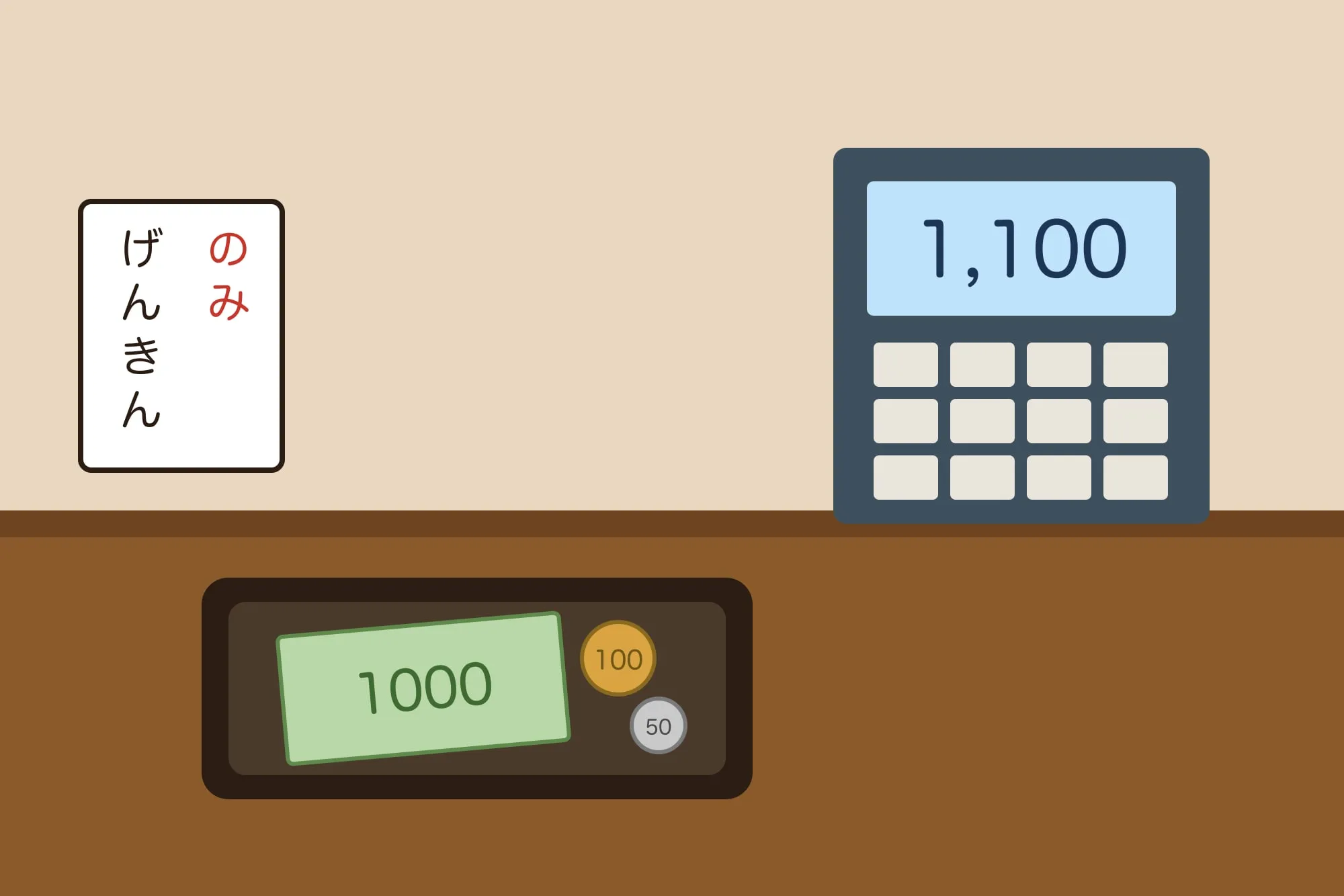 The cash tray. Money goes here, not hand to hand
There is a small tray at the register. You place your cash or card on it instead of handing it to the staff. Your change often comes back on the same tray.
Nothing happens if you forget. But if you see the tray, using it is the natural thing to do.
3. If there is a ticket machine, buy a ticket first
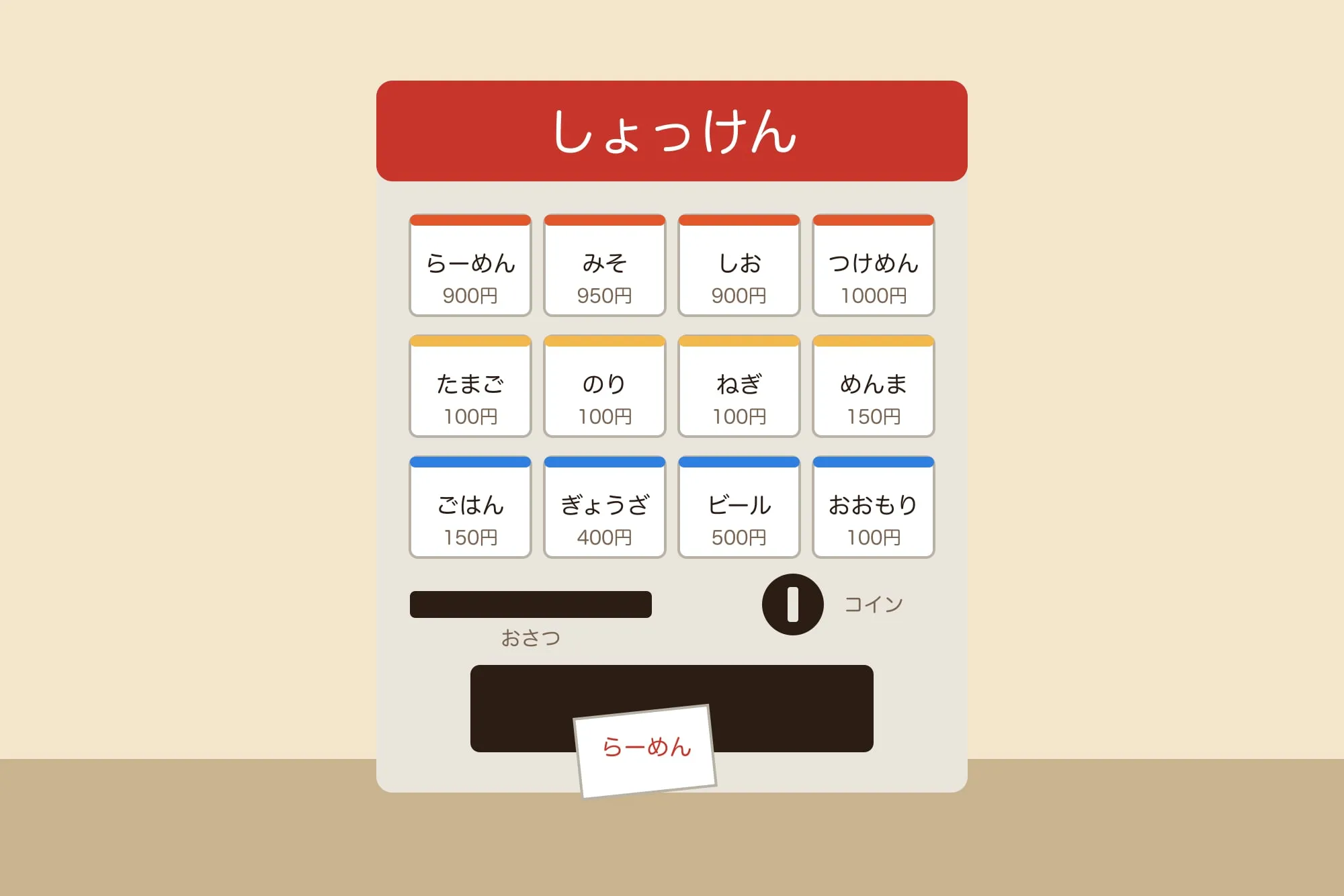 A meal ticket machine. Insert money, press a button, take your ticket
Ramen, rice bowl and soba shops often have a ticket machine (食券機, shokkenki) by the entrance. At these shops you buy a ticket before you sit down.
- Insert your money first.
- Press the button for the dish you want.
- Take your ticket and your change.
- Sit down and hand the ticket to the staff.
Older machines take only 1,000-yen notes and coins. The top-left button is usually the shop’s signature dish. If you cannot decide, press that one.
4. Otoshi at an izakaya is a cover charge
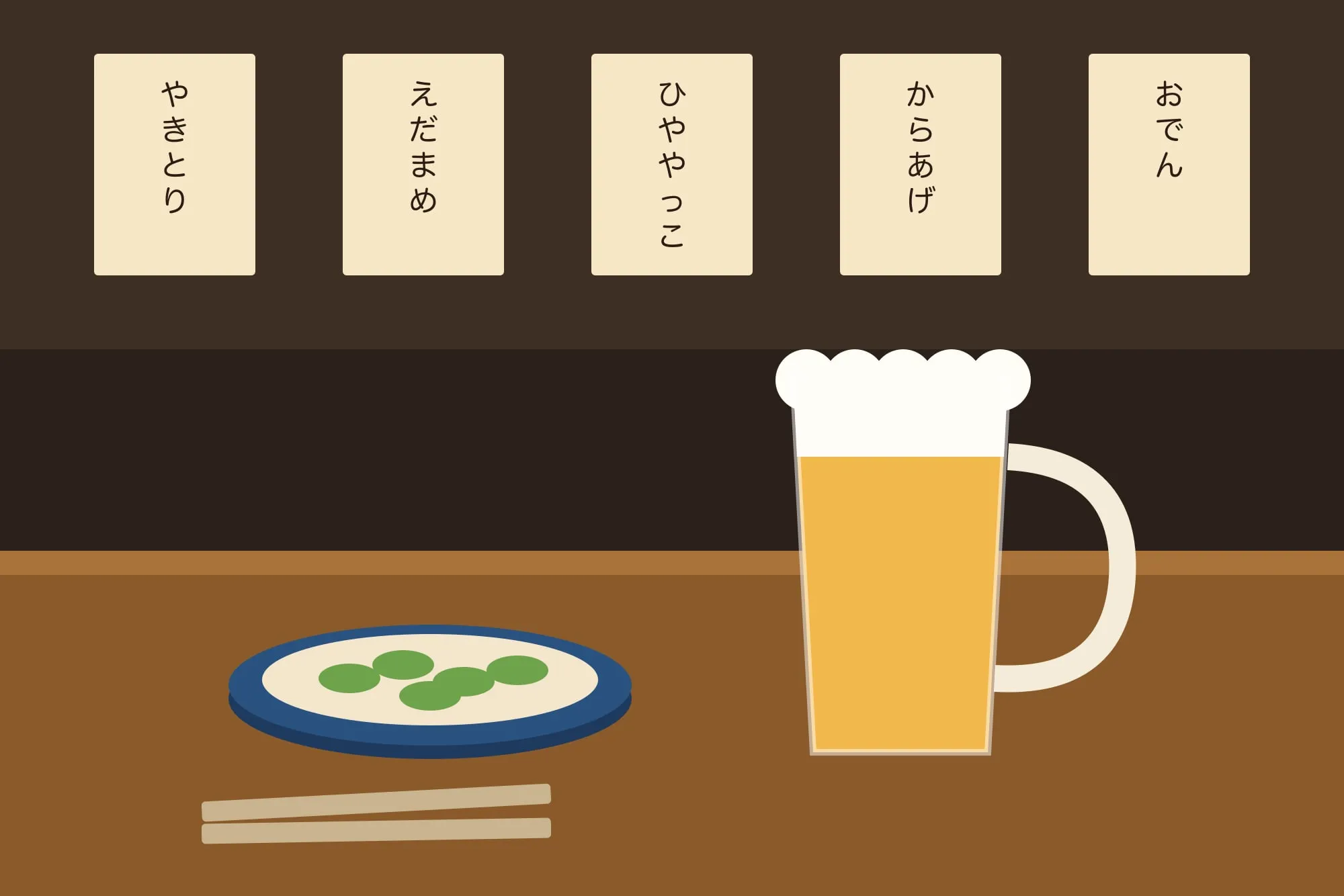 The small dish you did not order is the otoshi
When you sit down at an izakaya, a small dish arrives that you did not order. This is called otoshi (お通し). In the Kansai region it is also called tsukidashi (突き出し).
It is not free. It works as a cover charge of a few hundred yen per person and appears as its own line on the bill. First-time visitors often think they are being charged for food they never ordered, but this is standard practice at izakaya. Some places do not serve otoshi at all.
5. Do not tip
There is no tipping in Japan. You pay the amount on the bill and nothing more. If you leave your change behind, a staff member may run after you to return it.
Say thank you instead. “Gochisousama deshita” (thank you for the meal) on your way out is enough.
6. Check whether the price includes tax
Consumption tax in Japan is 10%. Food you take away is taxed at 8%. The same item can therefore cost slightly different amounts depending on whether you eat in or take out.
Prices are supposed to be shown with tax included. 税込 (zeikomi) means tax included and 税抜 (zeinuki) means before tax. When both figures are shown, the 税込 figure is what you actually pay.
7. One order per person
Many kissaten, cafés and bars expect each person to order at least one drink. You may see ワンオーダー制 (one-order system) at the entrance. The smaller the shop, the firmer the rule.
Avoid sharing one drink between two people or bringing in food from outside.
8. Water and a wet towel come without asking
Once you sit down, staff bring water (お冷, ohiya) and a wet towel (おしぼり, oshibori). These are almost always free. At some shops water is self-service.
The towel is for your hands. It is not meant for your face or the table.
9. Check the smoking sign at the door
Since April 2020, smoking indoors at restaurants has been banned in principle in Japan. Small shops that were already operating can be exempt. Some older kissaten and small izakaya still allow smoking.
Shops that allow smoking post a sign at the entrance. If you want to avoid smoke, check the door before you go in. People under 20 cannot enter a shop that allows smoking.
10. Coming in and going out
When you open the door, staff greet you with “irasshaimase” (welcome). Even if you see empty seats, wait at the entrance. Staff will ask how many you are and show you to a seat. Holding up fingers for the number works fine.
Some shops take payment at the table and others at the register. If staff leave the bill on your table, take it to the register. If you are unsure, say “okaikei onegaishimasu” to the staff.
A few more things worth knowing:
- If there is a queue, join the end. If there is a sheet of paper at the door, write your name and the number of people.
- Ask before you photograph the interior or other customers. Some shops do not allow photos.
- Staff announce “last order” before closing. After that they take no more orders.
- Some shopping streets ask you not to eat while walking. Eat in front of the shop where you bought the food.
Phrases to use in a shop
| Situation | Japanese | Reading | Meaning |
|---|---|---|---|
| Walking in | ふたりです | futari desu | Two of us |
| Ordering | これをください | kore o kudasai | This one, please |
| Asking for a recommendation | おすすめはなんですか | osusume wa nan desu ka | What do you recommend? |
| Asking for water | おひやをください | ohiya o kudasai | Water, please |
| Paying | おかいけいおねがいします | okaikei onegaishimasu | The bill, please |
| Asking about cards | カードはつかえますか | kaado wa tsukaemasu ka | Do you take cards? |
| Asking about photos | しゃしんをとってもいいですか | shashin o totte mo ii desu ka | May I take a photo? |
| Leaving | ごちそうさまでした | gochisousama deshita | Thank you for the meal |
Pointing at the menu and saying “kore o kudasai” is enough to order. You do not need to speak Japanese.
Closing
Local shops in Japan look hard to enter at first. With these ten points you will be fine in most of them. Getting a rule slightly wrong is not a problem. Staff are used to visitors from abroad and will show you what to do.
Roji Japan will go on to introduce shops in Tokyo, neighbourhood by neighbourhood. We only write about places we visited and paid for ourselves, and each post lists how to pay, the closing days and how to get there, along with the date of our visit.